
As the artist you are the primary viewer. Creative acts depend upon a dynamic associative memory. A dynamic associative memory is also essential to the viewer. Dynamic associative memory depends upon the emotional, bodily condition of the artist or viewer says neuroscientist Antonio Damasio. We do not sustain attention well when we are distracted by other mental efforts, mental discomforts, or physical discomfort. To attract the viewer make them comfortable. Familiarity relaxes us; unfamiliarity unsettles us. The perception of coherence relaxes us. A unifying design attracts us because, coherence attracts us and puts us at ease. We become more creative, more freely associative. Coherence uses repetition, a recognizable pattern. Coherence triggers attention through an initial sense of familiarity. Order is familiar and comfortable. Chaos is not. an organizing coherence helps the artist to guide and prime the viewer.
an example of varying order and coherence from Andy Warhol: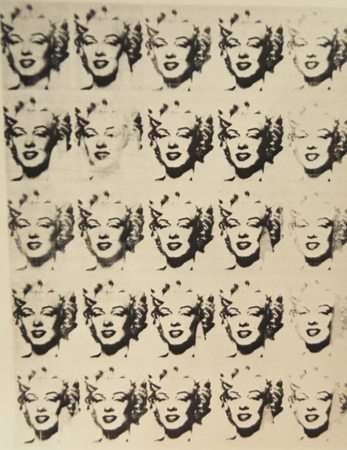
an example of order with a chain of variations from Gustav Klimt: 
Also, if the artist lets the viewer feel powerful, capable, swelled with good memories, and physically comfortable their ability and willingness to sustain attention and hypothesize about meanings will improve. They will be receptive to probing for meaning and allow their intuitive guesses to flow. This is Bernoulli’s law; artists and beholders probe for meaning ( intention ) if there is the promise(expectation) of subjective(personal) value in the process. Intention and emotion are joined. Artists know this and guide the viewer with this knowledge. If too much effort is demanded at discovering intention then, the emotional reward is removed. Different artists and beholders sustain their enthusiasm and attention depending upon differing sets of experience, memory. This difference depends on their familiarity with the language of the painting, sculpture, literature, music, or cuisine. There is a problem with familiarity. Too much familiarity and the work is boring. If the work is too recognizable, too ordered, too balanced, too regular in rhythm and pattern then, it falls below the threshold of our attention. The more relaxed we are the more freely we associate; we become more creative.
an example of a familiar location, Grand Central Station, with an obvious central design but with an introduction of unfamiliarity(disordering) in the blurring of the imagery. 
Too many surprises and the mental effort required to find a pattern withers and ceases. If the work is too intricate, has too many patterns or variations in pattern then, the work will feel confused, impenetrable and will agitate or alienate the viewer. There is no guiding an agitated viewer. They have been primed with hostility and impatience or, boredom. Either way, the painting loses the beholder. But, viewers’ vocabularies vary. Some are familiar with more complex patterns and how to follow them than others. A professional musician will enjoy rapidly changing complex tempos that frustrate someone lacking their experience, their vocabulary. The audiences for complex patterns, for more various surprises grows smaller with demands on their experience. But, their rewards, their pleasure in probing and pursuing a trail through more unfamiliar territory is amplified because of their experience.
Consider this example from Ernst Gombrich’s Sense of Order.
example 4.
The image graduates from order to disorder. The graduation attracts our attention becuase of its evolution between order and chaos. Notice with one image we start at the top and with the other we start at the bottom. We start with order and move toward disorder.
example 5. 
Daniel Kahneman’s new book “Thinking Fast and Slow” has been a source for much of this blog. Here is his chart which demonstrates what conditions put us at cognitive ease. The condition at which we are most relaxed and enjoyed maximal free association.
example 6 my last example of patterns with a marriage of chaos and order cohering through universal design.
Fredric Neuwirth
Did Klimt paint the spaces between the trees or the trees themselves? I think he painted the trees as I do not believe he could find the pattern.
Grand Central Station? It could ber any where & that is OK as what makes the painting interesting is the pattern, the color & movement.
Good Blog!
elaine finsilver
so you used my Andy Warhol without my being there. hmmmmmmmm